Subtotal $0.00



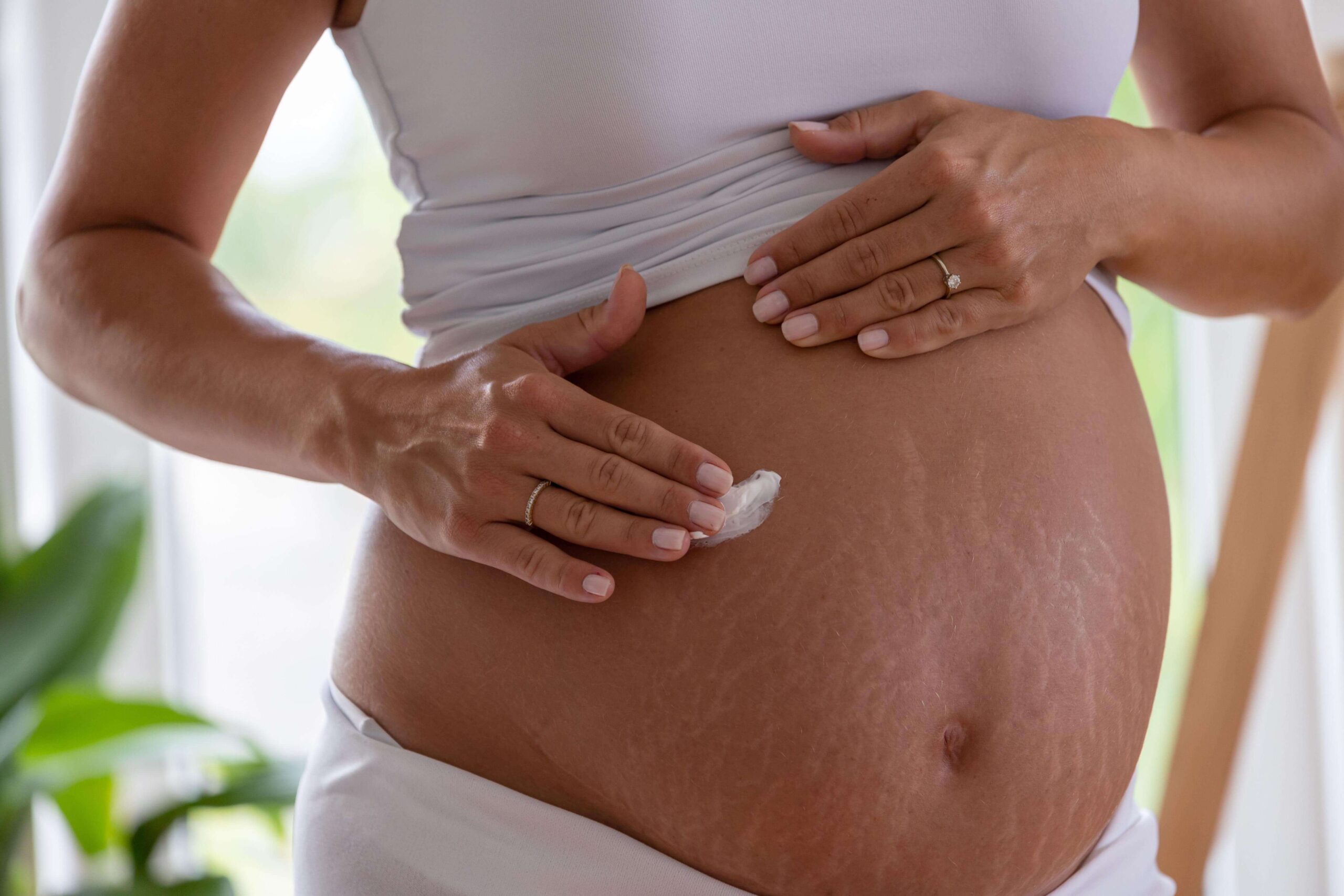
Understanding Skin Elasticity to Prevent Stretch Marks During Pregnancy
Rapid physical expansion during gestation affects up to ninety percent of expectant mothers, leaving permanent dermal scarring known as striae gravidarum. Clinical guidance highlighted by the American Academy of Dermatology indicates that targeted early care with specific active ingredients can help prevent stretch marks during pregnancy or reduce their severity. Setting up a targeted daily regimen is the most reliable method to prepare your body before the rapid growth phase begins in the second trimester.
Hormonal fluctuations cause collagen and elastin fibers to break down rapidly, leading to these dermal tears. Glucocorticoids released during gestation suppress fibroblast activity, which directly decreases the production of these structural proteins. Consequently, the skin becomes less resilient and tears easily as the abdomen and breasts expand.
Family history plays a significant role in how resilient your dermal layers are to sudden stretching. Individuals with a family history of striae should start their skincare routine during the first trimester to build skin resilience early. Consistent application of topical agents helps the skin stretch without tearing.
Dietary Choices That Help Prevent Stretch Marks During Pregnancy
Internal nutrition directly influences the structural strength of your dermal layers. Consuming specific vitamins and minerals stimulates the synthesis of strong collagen fibers from within the body. This internal approach provides a solid foundation that topical treatments can build upon.
Vitamin C is a required partner in the enzymatic reactions that assemble collagen molecules. The body cannot produce collagen efficiently without daily intake of this powerful antioxidant. Excellent sources include citrus fruits, bell peppers, and strawberries.
Zinc is another necessary mineral that helps cellular growth and tissue repair throughout the gestational period. Incorporating zinc-rich foods supports the rapid cellular turnover required as your body changes shape. Excellent dietary options include pumpkin seeds, lentils, and lean proteins.
Healthy hydration also works hand-in-hand with these nutrients. Consuming foods with high water content, such as cucumbers and watermelon, provides structured cellular hydration. This natural moisture reinforces the strength of dermal tissues from the inside out.
- Vitamin E: Protects skin cell membranes from oxidative damage and supports overall dermal elasticity.
- Silica: Works closely with collagen to strengthen connective tissues and prevent structural breakdown.
- Omega-3 Fatty Acids: Found in wild-caught fish and chia seeds, these healthy fats keep cell membranes hydrated and flexible.
Topical Ingredients to Prevent Stretch Marks During Pregnancy
Topical applications deliver concentrated hydration and essential lipids directly to the vulnerable epidermal and dermal layers. Selecting high-quality maternity skin care products ensures that the active ingredients penetrate deeply enough to provide real structural support. Applying specialized creams twice daily supports this process and works to prevent stretch marks during pregnancy.
A randomized clinical study published in the International Journal of Cosmetic Science demonstrates that centella asiatica extract is one of the few botanical agents clinically proven to prevent stretch marks during pregnancy. This powerful herb stimulates fibroblast activity, encouraging the production of brand new collagen and elastin fibers. Consistent use of products containing this extract significantly reduces the severity of dermal tearing.
Hyaluronic acid is another important component of an effective pregnancy skincare routine. This molecule holds up to one thousand times its weight in water, pulling deep hydration into the extracellular matrix. Applying it to damp skin maximizes absorption and maintains excellent elasticity.
- Sweet Almond Oil: Rich in essential fatty acids that nourish dry skin and improve overall elasticity.
- Rosehip Seed Oil: Packed with natural vitamin A derivatives that support cellular regeneration, serving as a safe alternative to synthetic retinoids during pregnancy.
- Cocoa Butter: Creates a protective lipid barrier on the surface of the skin to lock in deep moisture for hours.
Daily Habits to Prevent Stretch Marks During Pregnancy
Establishing a strict daily routine is essential for maintaining dermal resilience over nine months of rapid physical change. Inconsistent care reduces the effectiveness of even the most premium products. Consistent, daily habits yield the best long-term results for those who want to prevent stretch marks during pregnancy.
Massaging the skin daily improves local blood circulation, which delivers vital nutrients and oxygen to the dermal cells. This physical action also helps break up early microscopic scar tissue before it becomes visible on the surface. Use gentle, circular motions on the abdomen, breasts, hips, and thighs.
Hydration levels inside the body are just as important as the moisturizers applied to the surface. Drinking at least eight to ten glasses of water daily keeps the skin cells plump and pliable. Dehydrated skin is brittle and tears much more easily under tension.
Consistent sleep patterns also play an overlooked role in dermal recovery and repair. During deep sleep cycles, the body releases growth hormones that stimulate cellular regeneration and collagen synthesis. Aiming for eight hours of quality sleep nightly supports your skin’s natural healing mechanisms.
A Proven Timeline to Prevent Stretch Marks During Pregnancy
Timing is everything when it comes to preserving skin elasticity. Waiting until the third trimester to begin a skincare routine often results in missed opportunities for early prevention. A structured timeline ensures your skin is prepared for every stage of growth to prevent stretch marks during pregnancy.
The following table outlines the exact steps required during each phase of gestation to maximize your success. Each phase requires a slightly different focus to match the rate of physical expansion. Consistency throughout the entire journey remains the most important factor.
| Trimester | Primary Focus | Recommended Actions |
|---|---|---|
| First Trimester | Foundation Building | Increase water intake and start applying light botanical oils daily. |
| Second Trimester | Intense Elasticity Support | Apply centella asiatica creams twice daily and perform gentle massage. |
| Third Trimester | Maximum Hydration | Layer hyaluronic acid under heavy cocoa butter to lock in deep moisture. |
| Postpartum | Recovery and Healing | Continue nourishing topical applications to support skin snapback. |
The post-pregnancy phase is equally important for structural skin recovery. Continuing your topical routine for at least three months after delivery allows the skin to contract safely as hormone levels normalize. Gentle stretching and physical activity also support long-term skin snapback.
- Morning Routine: Apply a lightweight hyaluronic acid serum followed by a nourishing almond oil blend.
- Evening Routine: Massage a rich cream containing centella asiatica deeply into all high-risk areas.
- All-Day Routine: Keep a water bottle nearby to maintain systemic hydration levels continuously.
A Final Summary to Prevent Stretch Marks During Pregnancy
Preventing dermal tears requires a broad approach that addresses both internal nutrition and external hydration. By starting early and maintaining a consistent daily routine, you can significantly enhance your skin’s natural resilience. Combining internal hydration, nutrient-dense foods, and consistent topical application establishes the ultimate defense system to prevent stretch marks during pregnancy.
Focus on feeding your body the essential vitamins and minerals required for collagen production while protecting your skin barrier with proven botanical oils. This dual-action strategy keeps your skin supple, healthy, and beautiful throughout your entire maternity journey.
Comments are closed